
Wednesday, October 21, 2026 | Today's Newsletter | Login
Filipino Centre Takes Shape in Vancouver
By Mata Press Service
After nearly two decades of lobbying and planning, Vancouver’s Filipino community is moving closer to securing a permanent cultural home.
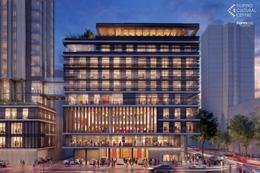
Plans have been unveiled for a 10-storey Filipino Cultural Centre at 160 East 2nd Avenue in Mount Pleasant, envisioned as the first phase of a broader Main Street campus celebrating Filipino culture, heritage and community life.
The proposed centre would include about 45,000 square feet of cultural space, with exhibition galleries, classrooms, meeting rooms, art spaces, a double-height event hall, cultural café and rooftop gathering area.
Supporters say the project would give Filipino Canadians a permanent institution where the community’s history, traditions and identity can be preserved and shared with future generations.
“For years, the Filipino community has envisioned a permanent cultural home in Vancouver,” said Tobi Reyes of PortLiving, which is advancing the development.
PortLiving has been involved in the push for a Filipino cultural centre since 2009. Its work has included a survey of 600 community members and collaboration with several Filipino organizations.
The proposal has also gained political momentum.
Vancouver City Council unanimously supported the concept of a Filipino Cultural Centre in June 2023. In December 2025, council approved another motion prioritizing review of a PortLiving proposal involving properties at 1940 Main Street and 143 East 3rd Avenue.
The plan has since evolved, with 160 East 2nd proposed as a stand-alone cultural centre while the other sites remain part of a broader campus vision.
“This project responds to community and government feedback, providing Filipino Canadians with a standalone world-class centre,” said Warren Dean Flandez of the Filipino Legacy Society.
The announcement comes after both the B.C. NDP and Conservative Party of B.C. pledged $15 million toward a Filipino Cultural Centre. Neither commitment has been tied to a specific site.
The proposed development would also include hospitality, office and light industrial uses intended to generate revenue and support the centre’s long-term operations.
PortLiving is targeting a 2027 construction start, subject to municipal approvals, funding, governance arrangements and further community consultation.
If completed, the project would mark a significant milestone for a community that has spent decades building its place in British Columbia while pushing for a permanent institution of its own.
Leave a comment